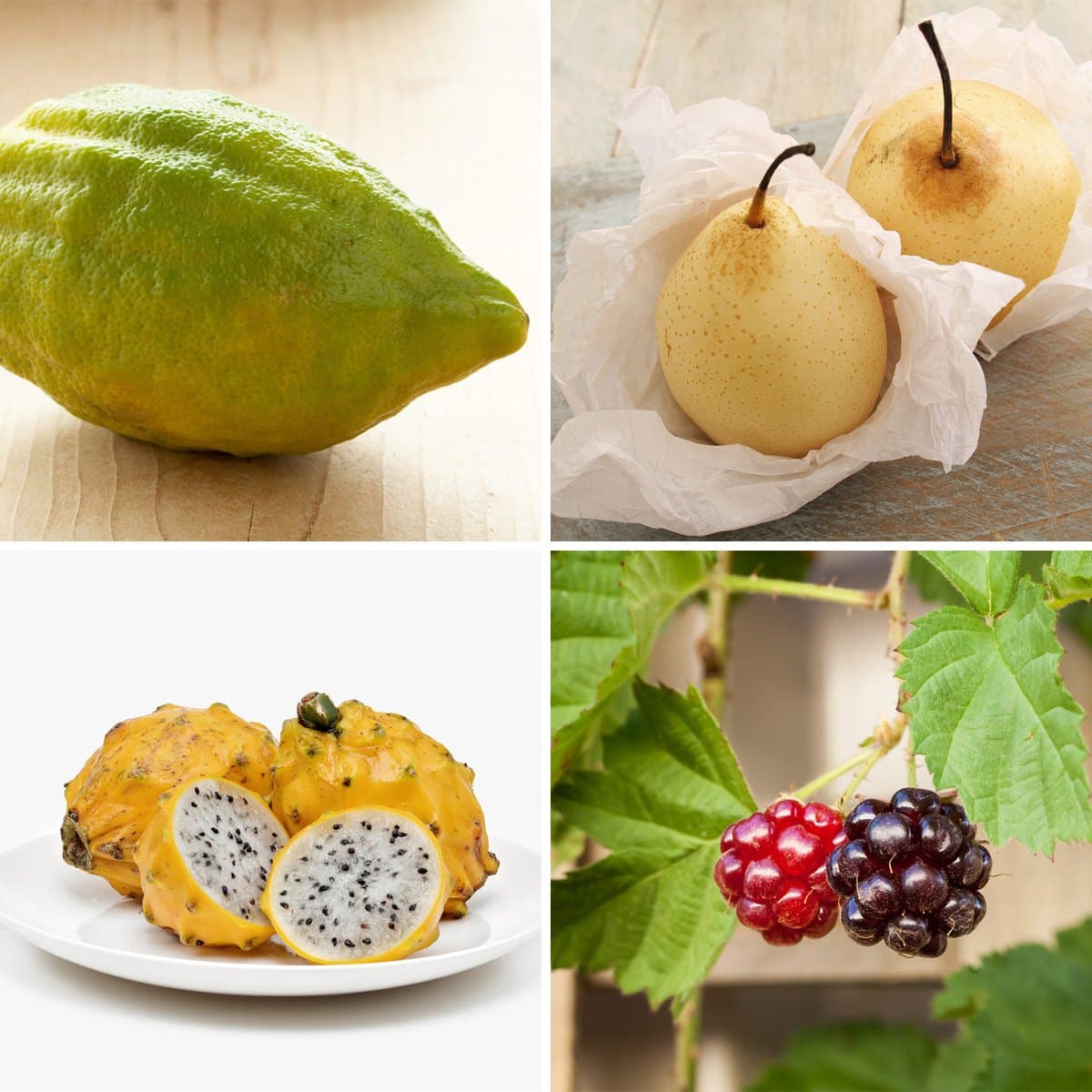
While the world of fruits that start with Y offers a delightful spectrum, from the crisp sweetness of apples to the exotic tang of tropical delights, one particular fruit stands as a living testament to history and tradition: the Yemenite Citron. Often heralded as the "original citrus fruit," this unique botanical marvel carries with it a story spanning millennia, deeply intertwined with both culinary innovation and profound spiritual practices. Beyond its peculiar appearance and potent flavor, the Yemenite Citron, also known by its Hebrew name, Etrog, holds a revered place in various cultures, making it far more than just another item in the fruit basket. Join us as we peel back the layers of this fascinating citrus, exploring its ancient origins, its sacred uses, and its surprising culinary potential.
Unearthing the Ancestral Citrus: What Makes Yemenite Citron "Original"?
In the vast botanical tapestry of citrus fruits, the Yemenite Citron holds a distinguished and almost mythical status as the progenitor, the "original citrus." This isn't just a romantic title; scientific consensus points to the citron as one of the very first citrus varieties to emerge, from which many modern citrus fruits, like oranges, lemons, and grapefruits, eventually hybridized. Its lineage traces back thousands of years to ancient Persia and the Indian subcontinent, making its journey westward a true testament to early human migration and trade.
A Distinctive Appearance and Form
Unlike its smooth-skinned descendants, the Yemenite Citron possesses a truly unique visual identity. It’s a significantly larger fruit compared to a typical lemon, often reaching impressive sizes. Its most striking feature is its rind – thick, intensely bumpy, and uneven, creating a wonderfully textured surface that ranges in color from deep green to bright yellow as it ripens. While its overall shape can be reminiscent of a large, elongated lemon, its distinctive bumps and often pear-like or irregular form set it apart immediately.
The rind, though beautiful, is exceptionally thick, making up a significant portion of the fruit's volume. Like most citrons, this rind is inedible in its raw form due to its density and texture. Beneath this formidable outer layer lies a relatively small amount of pulp. This pulp, while edible, is notably different from the juicy segments of an orange or grapefruit. It's often drier, with a distinctly bitter and sour taste that can be quite intense. This unique flavor profile, however, is precisely what makes it so valuable in specific culinary contexts.
- Size: Generally larger than common citrus fruits, sometimes reaching the size of a small melon or a substantial pear.
- Rind: Exceptionally thick, rough, deeply textured, and bumpy – a signature characteristic that distinguishes it from other citrus.
- Pulp: Sparse, with a dry, somewhat fibrous texture and a potent bitter-sour taste that requires specific preparation for consumption.
- Aroma: Despite the bitter taste of its pulp, the thick rind often emits a wonderfully fragrant, intense citrus aroma, highly valued in perfumery and aromatherapy.
The Sacred Etrog: Yemenite Citron in Jewish Tradition
Perhaps no other aspect elevates the Yemenite Citron's significance more than its central role in Jewish religious observance, where it is known as the Etrog. It is one of the "Four Species" (Arba'at ha-minim) commanded in the Torah to be held and waved during the week-long festival of Sukkot (Tabernacles).
A Symbol of Perfection and Unity
The Etrog is highly prized for its aesthetic perfection, representing the heart in the symbolism of the Four Species. For a citron to be considered kosher for ritual use, it must be unblemished, free from any scars, spots, or punctures. It must also have its pitam (a small, stalk-like appendage at the fruit's blossom end, if naturally occurring) intact, adding to its visual integrity. This stringent requirement for flawlessness elevates the search for a perfect Etrog into an annual pursuit for many Jewish communities, often involving considerable cost and meticulous care. The finest specimens are sought out, often traveling long distances to reach their intended users.
During Sukkot, the Etrog is held together with a lulav (date palm frond), hadasim (myrtle branches), and aravot (willow branches). These four diverse items are united, symbolizing the different types of Jews coming together in unity, or different parts of the human body, each with unique characteristics and contributions. The Etrog, with its pleasant fragrance and taste (symbolizing those who possess both Torah knowledge and good deeds), is central to this ritual, embodying spiritual wholeness and connection.
The very act of holding and shaking these items in specific directions is a prayer for divine blessing, particularly for rain and a bountiful harvest. The Yemenite Citron's ancient roots and its direct link to this sacred agricultural festival underscore its deep historical and spiritual resonance, far beyond its simple classification as one of the many fruits that start with Y. This profound cultural value has ensured its preservation and continued cultivation across generations.
From Bitter to Beautiful: Culinary Uses of Yemenite Citron
Given its prominent bitter and sour notes, it might seem challenging to incorporate Yemenite Citron into everyday cooking. However, its intense aroma and unique flavor profile are highly prized in various culinary traditions, especially when its thick rind is utilized. While the raw pulp can be quite potent, processing unlocks a world of delicious possibilities, transforming its intensity into sophisticated gourmet ingredients.
Unlocking Flavor: Tips and Recipes
- Candied Citron Peel: This is arguably the most classic and popular use for the thick rind. The peel is carefully prepared by blanching multiple times to reduce bitterness, then slowly simmered in sugar syrup until translucent and tender, transforming its bitterness into a complex, aromatic sweetness. Candied citron is a staple in many holiday fruitcakes, panettone, stollen, and other rich baked goods, providing a chewy texture and an intense, distinctive citrus fragrance that lasts.
- Marmalades and Preserves: The high pectin content naturally present in the thick rind makes it an ideal candidate for marmalades. When slow-cooked with sugar and perhaps other sweeter fruits (like apples or pears) to balance the flavor, the bitter notes mellow into a sophisticated tang. The intensity of Yemenite Citron marmalade is unmatched, offering a gourmet spread for toast, an intriguing accompaniment to cheeses, or a unique glaze for roasted meats.
- Zest and Infusions: Despite the inedible bulk of the rind, its vibrant outer zest is bursting with aromatic essential oils. Grate the zest sparingly into desserts, savory dishes, vinaigrettes, or marinades for an immediate and powerful flavor uplift. You can also infuse finely cut strips of the peel into spirits (like vodka or gin) for custom liqueurs, or into olive oil to create uniquely aromatic culinary oils perfect for drizzling over salads or seafood.
- Citron "Relish" or Paste: In some Mediterranean and Middle Eastern cuisines, the pulp and sometimes finely chopped rind are cooked down with sugar, spices (such as cloves or cinnamon), and sometimes nuts, to create a sweet and sour relish or a thick, aromatic paste. This can be served alongside savory dishes, used as a dessert component, or even as a filling for pastries.
When working with Yemenite Citron, remember that a little goes a long way. Its robust, distinctive flavor demands respect and careful balancing with other ingredients to prevent it from overpowering a dish. For those accustomed to the mellow sweetness of other common York Imperial Apples: Lopsided Charm & Vitamin Powerhouse or the straightforward tartness of everyday lemons, the Yemenite Citron offers an exciting and truly complex flavor adventure, rewarding patience with unparalleled depth.
Beyond the Zest: Health and Holistic Aspects
While the primary uses of Yemenite Citron often revolve around its ritualistic significance and culinary applications, like many citrus fruits, it carries potential health benefits that are worth noting. These benefits often stem from its rich phytochemical profile and aromatic properties.
- Rich in Antioxidants: Citrus fruits are generally well-known for their high content of antioxidants, including flavonoids, limonoids, and Vitamin C, which help combat oxidative stress and support overall cellular health. While the pulp of the Yemenite Citron is consumed in smaller quantities due to its taste, its rind, especially when processed into extracts or oils, can still contribute to this antioxidant intake, aiding in reducing inflammation and promoting well-being.
- Aromatic Therapies: The powerful, distinct aroma of the Yemenite Citron's essential oils, primarily derived from its rind, has been used in various cultures for its uplifting and calming properties. It is often incorporated into perfumes, aromatherapy blends, and traditional remedies for its refreshing, clarifying, and stress-reducing scent, believed to enhance mood and focus.
- Digestive Aid: In traditional medicine systems, bitter compounds found in citrus fruits, including varieties of citron, have sometimes been used to stimulate digestive juices and improve appetite. While not a conventional digestive remedy, its historical use suggests an awareness of its potential influence on gastrointestinal function.
It's important to remember that most of these benefits would come from consuming processed forms or using the essential oils, rather than eating the raw, intensely bitter pulp directly. Nevertheless, its multifaceted nature truly solidifies its position as a fruit of both practical and holistic value, revered not just for its physical form but for its subtle contributions to human well-being.
Conclusion: The Enduring Legacy of the Yemenite Citron
From its ancient origins as the "original citrus" to its hallowed role as the Etrog in Jewish tradition, the Yemenite Citron is a fruit that transcends mere botanical classification. Its distinctive bumpy rind, potent bitter-sour pulp, and unforgettable aroma tell a story of botanical evolution, cultural preservation, and culinary ingenuity. It challenges our perceptions of what a fruit can be, proving that value isn't always found in immediate sweetness, but often in complexity, history, and profound symbolism.
Whether you encounter it as a revered object during Sukkot, a flavorful candied peel in a festive cake, or simply as an intriguing anomaly among the diverse fruits that start with Y, the Yemenite Citron invites us to appreciate the richness of the natural world and the enduring power of tradition. Its journey from ancient groves to modern tables is a testament to its unique charm and indelible legacy, continuing to captivate and inspire all who encounter it.
